Household rubbish clearance Pitshanger Manor and North Ealing
Posted on 30/06/2026
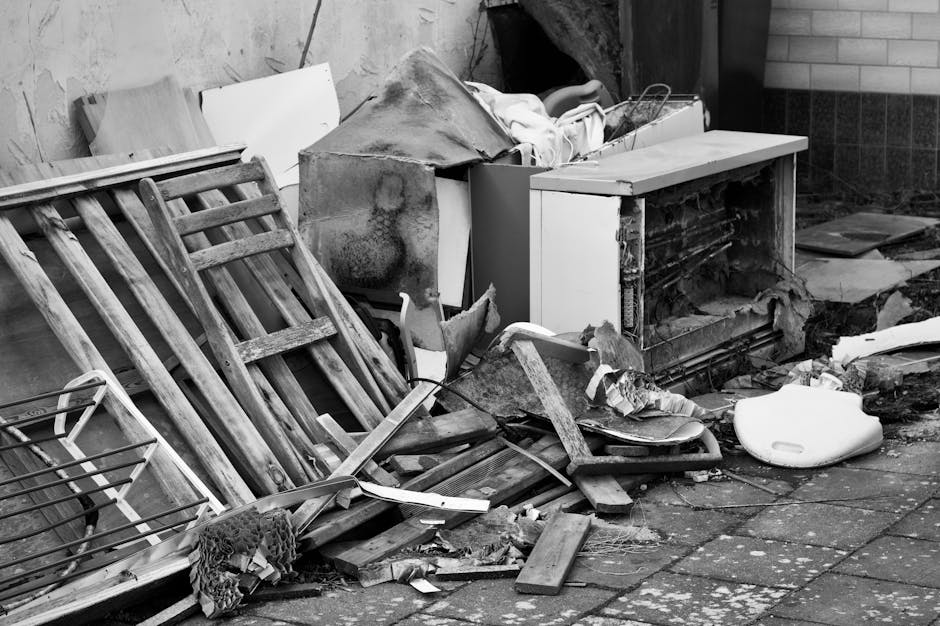
Household rubbish clearance Pitshanger Manor and North Ealing: a practical local guide
If you live in or around Pitshanger Manor and North Ealing, household rubbish has a habit of building up quietly until one day the hallway feels smaller, the spare room looks like storage by accident, and the garden suddenly seems to be doing too much work. Household rubbish clearance Pitshanger Manor and North Ealing is really about getting that clutter out safely, promptly, and without turning your week into a long game of bin-sorting Tetris.
This guide walks you through what the service involves, why it matters locally, how it usually works, and what to look for before you book. You will also find a checklist, a comparison of common clearance options, and a few practical tips that make the whole process less stressful. Truth be told, most people do not need a lecture about rubbish. They need a clear plan.
Why Household rubbish clearance Pitshanger Manor and North Ealing Matters
Local household clearance is not just about making a room look tidy. In this part of Ealing, homes range from compact flats to family houses with lofts, garages, side returns, sheds, and the occasional "we'll deal with that later" corner. When rubbish accumulates, it can start affecting how you use your home day to day. A blocked loft hatch, a jumble of broken furniture, or bags sitting in a passageway all create friction.
There is also the practical side. Rubbish left too long can attract damp smells, become a trip hazard, and make cleaning harder than it needs to be. If you are preparing for a move, a refurbishment, a tenancy handover, or a seasonal clear-out, the job gets more urgent. North Ealing households often want a solution that is quick, tidy, and considerate of neighbours, parking, and access. That local reality matters more than a generic "man and van" pitch.
To be fair, the smallest jobs can sometimes feel the most annoying. A few old chairs, a busted wardrobe, a pile of box waste from a recent delivery, and suddenly you are making ten decisions instead of one. Good household rubbish clearance helps you avoid that drift. It creates a clean finish and gives you your space back.
For homeowners needing broader support, it can also sit alongside house clearance services in Ealing or a more general waste clearance approach when the job is bigger than a standard bin run.
How Household rubbish clearance Pitshanger Manor and North Ealing Works
At a good level, the process is simple: you identify what needs removing, a team assesses the load, they collect it, and the material is taken away for sorting, reuse, recycling, or disposal. The details matter though, because a household clearance is rarely a neat pile of identical items. One home might have mixed bags, an old mattress, a dismantled desk, and broken garden equipment. Another might mainly need furniture moved from an upstairs room without damage to walls or stair rails. Different job, same principle.
In many cases, the most efficient clearances start with a quick description or photo set. That helps estimate the volume, access needs, and whether any item is awkward or heavy. Sofas, appliances, and bulky furniture often require more care than people expect. And yes, the awkward landing turn on narrow stairs can be the bit everybody forgets until the last minute.
For residents in Pitshanger Manor and North Ealing, timing can also be a factor. Parking can be tight, loading space limited, and shared entrances need extra thought. A straightforward collection should be planned around access so that the job feels organised rather than disruptive. If you are clearing a mix of items, it may be useful to combine rubbish removal with dedicated help such as furniture disposal in Ealing or appliance disposal support for heavier domestic items.
The actual collection day usually follows a practical routine:
- Confirm what is being removed and where it is located.
- Check access, parking, and any lift or stair requirements.
- Remove items carefully, keeping floors and walls protected where needed.
- Sort material into suitable streams for recycling or disposal.
- Leave the area swept through and ready to use again.
That last step matters more than people think. A clean finish changes the whole feeling of a room. You know it when you see it.
Key Benefits and Practical Advantages
The most obvious benefit is reclaimed space. A cluttered room becomes usable again. A spare bedroom can become a bedroom, not a storage unit with a mattress. A garage can actually hold a car. Funny how that works.
There are also less visible gains. Clearing household rubbish can reduce stress because the decision-making burden disappears. Instead of wondering what to do with broken furniture, you move the whole issue off your plate. It can also improve safety, especially where children, older relatives, or pets move around the home. Loose bags, loose cables, cracked shelves, and unstable stacks are the sort of hazards people notice only after a small wobble turns into a proper incident.
From a practical point of view, using a professional or organised clearance service can save repeated trips to a recycling centre, which is especially helpful if you do not have a suitable vehicle. It is also useful for items that are heavy, dirty, bulky, or simply difficult to handle on your own. Household rubbish clearance is not glamorous, but it is one of those jobs where "done well" makes a surprisingly big difference.
- Faster turnaround: useful when you need a room cleared before guests, tradespeople, or moving day.
- Less physical strain: heavy lifting and awkward items are handled with care.
- Better sorting: recyclable material can be separated more effectively.
- Cleaner outcome: the space is left ready for the next job.
- Lower admin burden: one collection often replaces multiple DIY trips.
If your clear-out includes mixed materials, a service that also handles waste disposal in Ealing can be useful, especially when you have more than just a few bin bags to move.
Who This Is For and When It Makes Sense
Household rubbish clearance is a good fit for anyone with more waste than local kerbside collection can sensibly handle. That includes families in the middle of a home reset, landlords between tenancies, people downsizing, and anyone who has reached the classic point of "I kept this because I thought I might need it." We have all been there, or close enough.
It makes particular sense when the load includes bulky or awkward items. Think old wardrobes, sofas, broken tables, mattress disposal, worn-out white goods, or mixed rubbish from a loft, shed, or utility room. It is also relevant after decluttering projects, renovation prep, or a big seasonal sort-out when bags and boxes are piling up in odd places.
For some homes, the right answer is not a full house clearance. It is a smaller, more targeted visit. For others, the right solution may be a broader service that blends household rubbish clearance with loft clearance or even a focused garden waste removal if the outdoor space has become the overflow zone. A little honesty helps here. If the shed is basically a mystery museum, say so upfront.
It also suits people who want a tidy result without needing to supervise every bag. If you are juggling work, children, transport, or a renovation schedule, the value is not just the lifting. It is the headspace you get back.
Step-by-Step Guidance
Here is a sensible way to approach household rubbish clearance without overcomplicating it. The best jobs are usually the ones with a bit of prep, not the ones where everyone improvises on the driveway at 8:10 in the morning.
- Walk through the property. Look in the usual hiding places: loft, under-stairs cupboard, utility room, shed, and garage.
- Separate the obvious categories. Put furniture, appliances, general rubbish, garden waste, and anything reusable into rough groups.
- Flag anything awkward. Heavy furniture, sharp objects, damp items, or anything requiring disassembly should be noted early.
- Check access. Measure narrow doorways, stair turns, or basement steps if you suspect an item may be tight on the way out.
- Photograph the load. A few clear images help describe volume and complexity more accurately.
- Decide what stays. This is the bit people rush. Be ruthless for five minutes and you save an hour later.
- Keep documentation handy. If you need to refer to service details, the services overview and pricing and quotes information can help you understand what to expect.
- Prepare the route. Clear a walkway so items can be removed safely and efficiently.
- Confirm the finish. Once the rubbish is gone, check corners, behind doors, and under shelves. Little bits hide well.
If you want a more tailored approach for mixed household items, you may also want to look at rubbish collection in Ealing as part of a broader clean-up plan.
Expert Tips for Better Results
The easiest way to improve a household clearance is to make the job more visible before collection day. It sounds obvious, but people often underestimate how much time gets lost when everything is still spread across three rooms and one garage corner. Group like with like. It makes the process smoother, and it helps avoid "Oh, I thought that box was staying" moments.
Another useful tip is to think in zones. Start with the area that causes the most frustration, not the area that looks most dramatic. For some homes that is the front porch or hallway. For others it is the loft stairs or the garden shed. A small win early on can unlock momentum. There is something oddly satisfying about clearing the one space you keep walking past every day.
Here are a few practical habits that tend to help:
- Keep important documents, valuables, and sentimental items out of the clearance area.
- Label items you are unsure about so they are not removed by mistake.
- If you have a lift or narrow staircase, mention it early rather than hoping it will be fine.
- Separate recyclable material where possible, but do not over-sort to the point of slowing the job down.
- Choose a calm collection window if parking near your property gets busy at certain times of day.
And one more thing. Don't wait until the clutter becomes part of the background. It happens quietly. One week the chair is in the way, the next week the chair is simply "where the chair lives now." Catch it earlier if you can.
Common Mistakes to Avoid
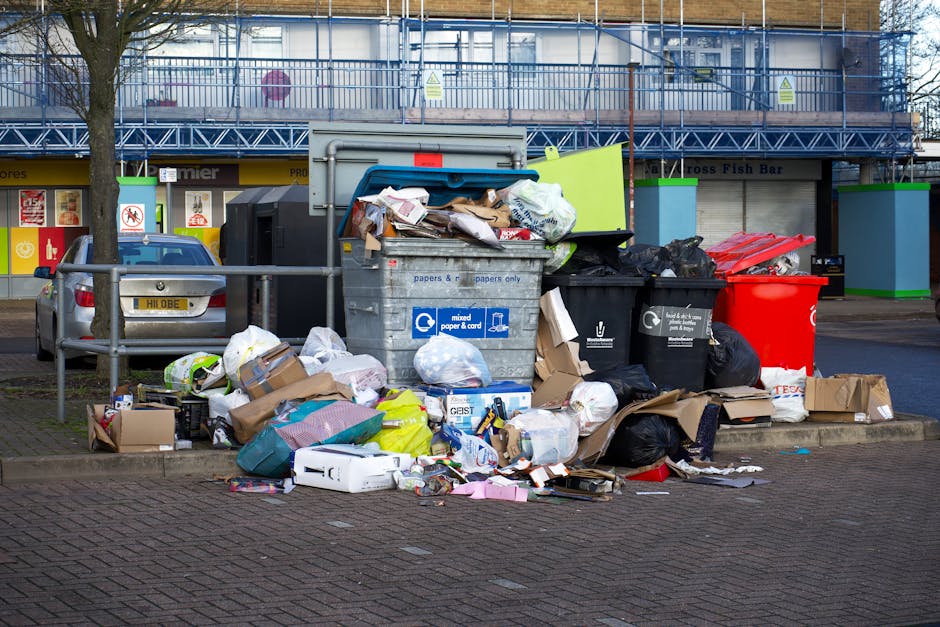
A lot of household rubbish clearance problems are avoidable. The biggest one is underestimating volume. A few sacks on the floor can look harmless until they are stacked, loaded, and wrapped around a sofa base that you forgot was also leaving the house.
Another common mistake is mixing general rubbish with items that need special handling. Appliances, certain bulky goods, and some contaminated waste should be identified separately. If you are unsure, say so. Guessing is not a strategy, despite how many people try it first. A small pause at the beginning can prevent a messy half-removal later.
Other mistakes include:
- Leaving access prep until the last minute: blocked hallways slow everything down.
- Forgetting upstairs or loft items: these are often the real time-drains.
- Assuming all items are the same size: one wardrobe can affect the whole collection.
- Not checking what needs dismantling: flat-pack furniture often needs a little work before removal.
- Choosing purely on speed: fast is useful, but careful is what keeps the job neat and safe.
If the job involves damaged or unwanted furniture, it can be sensible to pair the collection with furniture removal support rather than trying to push everything into a general waste pile.
Tools, Resources and Recommendations
You do not need a van full of equipment to organise a good clearance, but a few simple tools make life easier. A torch helps in lofts and cupboards. Strong bin bags help with loose rubbish. Gloves are useful for dusty spaces, broken packaging, and sharp edges. A tape measure can save arguments about whether a wardrobe will fit through the front door without becoming a design problem.
It also helps to use a short written list. One page is enough. Note the items, rooms, and any access issues. That way you are less likely to forget the one awkward piece hiding in the back of the shed or the appliance that still has a cable attached. People forget cables. Constantly.
For people exploring related services, these pages can be helpful and remain directly relevant:
- About the team and approach
- Recycling and sustainability guidance
- Insurance and safety information
- Waste carrier licence and compliance
- Payment and security details
If your household clearance is part of a wider decluttering project, it can also be worth looking at service pages for house clearance or waste clearance so you can match the service to the real job rather than squeezing everything into one category.
Law, Compliance, Standards and Best Practice
Household rubbish clearance should always be handled in line with UK waste expectations and general duty of care principles. In plain English, that means waste should go to a legitimate handler, be transported properly, and be dealt with responsibly rather than dumped somewhere vague and inconvenient. Nobody wants their old sofa becoming someone else's problem on a roadside.
Good practice also means checking that the business you use is properly set up to carry waste, uses sensible safety procedures, and is transparent about how items are managed. If a job involves electrical appliances, large furniture, or mixed waste, handling should be careful and proportionate. When in doubt, ask how the items will be sorted, moved, and disposed of. A reputable operator should be able to explain this in normal language, not corporate fog.
Safety matters too. Lifting heavy or awkward household items without planning is a common source of avoidable damage and strain. Hallways, staircases, and shared entrances can all suffer if the removal is rushed. That is why insured, well-prepared collection is worth prioritising, especially in occupied homes where the margin for error is small.
For readers who want to understand operational expectations further, the pages on insurance and safety and compliance are useful reference points.
Options, Methods, and Comparison Table
There is more than one way to clear household rubbish, and the best choice depends on volume, access, time, and how much physical effort you want to spend. Here is a straightforward comparison.
| Option | Best for | Advantages | Watch-outs |
|---|---|---|---|
| DIY bin-by-bin sorting | Very small amounts of general rubbish | Low immediate cost, simple for light waste | Time-consuming, multiple trips, limited for bulky items |
| Self-hire vehicle and tip run | Households with transport and lifting help | Flexible, useful for mixed waste | Physical work, parking stress, time lost, more planning |
| Professional household rubbish clearance | Bulky, mixed, or time-sensitive clear-outs | Fast, safer lifting, tidier finish, less hassle | Needs a clear brief and access information |
| Specialist item removal | Furniture, appliances, loft items, or garden waste | Tailored handling for awkward or heavy items | May need more than one service if the load is mixed |
For many homes in Pitshanger Manor and North Ealing, a combined approach is the sweet spot: general household rubbish cleared in one visit, with any bulky furniture or appliances dealt with under the right service path. That's the neatest way, usually.
Case Study or Real-World Example
A typical local scenario goes like this. A family in North Ealing has just finished a long-overdue sort-out before redecorating. The spare room contains old shelving, several bags of mixed household rubbish, a broken bedside cabinet, and a tired armchair that nobody can quite agree whether was ever comfortable. The loft has a few more boxes, because of course it does.
Instead of tackling it in bits over three weekends, they group the items by room, photograph the pile, and remove anything they want to keep. They then book a clearance that covers the mixed rubbish and the bulky pieces in one go. On the day, the team clears the room quickly, keeps the route tidy, and takes the heavier furniture without scraping the wall on the corner turn. The room is left empty enough to paint the same afternoon.
The real win is not just the emptier room. It is the calm. There is a noticeable difference when a cluttered space stops being a background stressor. You walk past it, and it no longer nags at you. Small thing, maybe. But not really.
Practical Checklist
Use this before your collection day. Keep it simple and you will feel the benefit straight away.
- Identify every room, cupboard, loft, shed, or garage with items to remove.
- Separate items you are keeping from items being cleared.
- Check for appliances, furniture, and other bulky items that need special handling.
- Clear access routes through hallways, stairs, and entrances.
- Look out for sharp, heavy, damp, or broken items.
- Measure any tight turns or narrow doorways if relevant.
- Take a few photos of the load.
- Think about whether you need extra help for furniture, appliances, or garden waste.
- Confirm timing and parking arrangements.
- Do a final sweep of hidden corners before the team arrives.
Expert summary: the best household rubbish clearance is rarely the flashiest one. It is the one that is planned clearly, removed safely, and leaves the property noticeably easier to live in. Simple, but that is what works.
Get a free quote today and see how much you can save.
Conclusion
Household rubbish clearance in Pitshanger Manor and North Ealing is ultimately about restoring order without adding unnecessary stress. Whether you are dealing with a few bulky items, a mixed household load, or a bigger tidy-up before a move or refurbishment, the right approach saves time, protects your home, and gives you a cleaner starting point.
The best results come from a little preparation, honest assessment, and a service matched to the actual job. That is what keeps the process smooth. Not perfect. Just properly done, which is better anyway. If your home has reached the point where the clutter feels louder than the room itself, now is a good moment to act. A clear space has a way of making everything else feel more manageable.
And that's the nice part, really: once the rubbish is gone, the room starts to feel like yours again.