Rubbish removal near Ealing Broadway station what to expect
Posted on 19/06/2026

If you are searching for rubbish removal near Ealing Broadway station what to expect, chances are you want two things at once: speed and certainty. You want the clutter gone, but you also want to know who is turning up, how long it will take, what it might cost, and whether the waste will be handled properly. Fair enough. Nobody enjoys a vague quote, a missed collection window, or a van that arrives looking like it has already had a hard day.
This guide walks you through the real experience of arranging rubbish removal in and around Ealing Broadway station. We will cover how the process usually works, what affects the price, what good service looks like, and the small details that make the day go smoothly. If you are clearing a flat, moving office items, getting rid of garden waste, or just trying to reclaim your hallway from a pile of old stuff, this should give you a clear picture of what to expect.
Why Rubbish removal near Ealing Broadway station what to expect Matters
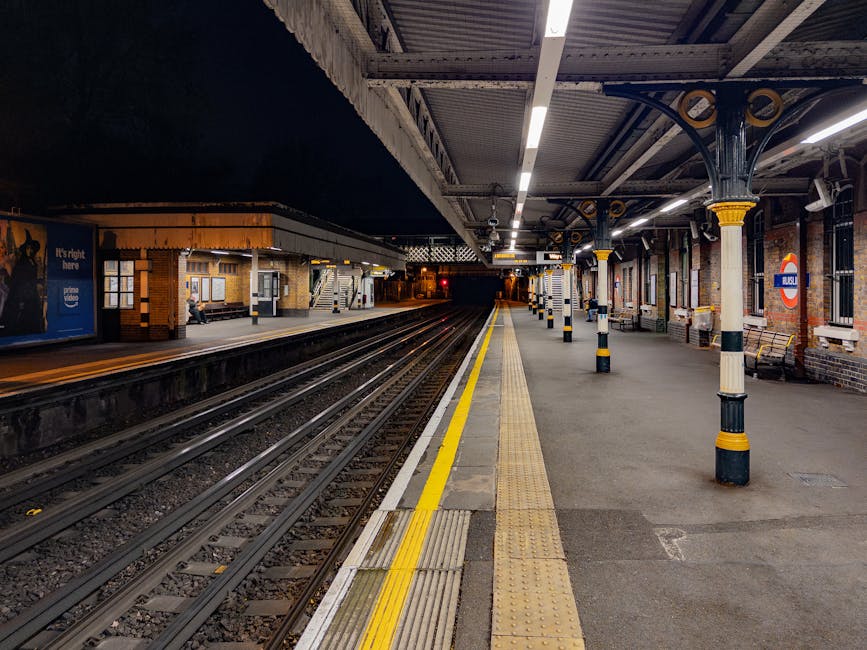
Ealing Broadway station is busy, central, and surrounded by homes, shops, offices, and shared buildings. That makes rubbish removal a little more complicated than a simple drive-up-and-load job in a quiet cul-de-sac. Parking can be tight. Access may be awkward. There may be residents, commuters, time restrictions, or building rules to consider. In short, local conditions shape the service.
Knowing what to expect helps you avoid the usual headaches. For example, a collection team may need to carry items down stairs, navigate a narrow entrance, or plan around traffic on a busy weekday morning. If you already know that, you can prepare the waste more sensibly and reduce delays. The whole job tends to feel calmer, too.
There is also the trust factor. When you compare providers, you are not just buying muscle and a van. You are paying for judgement, sorting, safe handling, and proper disposal. A good rubbish removal service should be able to explain how mixed waste is dealt with, what happens to reusable items, and whether any items need specialist handling. That clarity matters, especially if you are clearing out bulky furniture, white goods, or builders' debris.
If you are still working out which service type fits your situation, the broader services overview and the more general rubbish collection in Ealing pages can help you see how different clearance jobs are usually grouped.
How Rubbish removal near Ealing Broadway station what to expect Works
Most rubbish removal jobs near Ealing Broadway follow a fairly simple pattern. You request an estimate, describe what needs removing, agree a collection window, and then the team arrives to assess the load and take the waste away. The smoother the description, the smoother the day. A photo or two usually helps more than a long paragraph, though both can be useful.
In practical terms, the team will normally look at volume, weight, access, labour required, and the type of waste. A single broken wardrobe is not the same as a full house clearance, and a few sacks of renovation debris are not the same as a mixed load of furniture, cardboard, and old appliances. That distinction affects both the vehicle space needed and how the waste is processed afterwards.
For many customers, the collection is completed on the same visit once the team has seen the items. That is one of the big advantages of rubbish removal over self-hauling. You do not have to hire a van, lift awkward items by yourself, or spend half a Saturday trying to work out where to tip everything. Let's face it, that rarely ends as planned.
If your job involves heavier pieces or specialised items, you may want to look at linked service pages such as furniture disposal in Ealing, white goods and appliance disposal, or builders' waste disposal, depending on what you need removed.
A typical collection day often includes these steps:
- Arrival and introduction. The crew arrives during the agreed window and confirms what is being removed.
- Load check. They assess the items, volume, and access points, then confirm the final price if the quote was estimate-based.
- Removal. The team carries, loads, and secures the waste with as little disruption as possible.
- Sort and transfer. Items are separated for reuse, recycling, or disposal where possible.
- Completion. The area is left tidier and the job is wrapped up with any agreed paperwork or payment steps.
That sounds straightforward, and usually it is. The real difference is in how carefully the team handles access, communication, and the waste itself.
Key Benefits and Practical Advantages
The obvious benefit is speed. A good rubbish removal team can clear a surprising amount in one visit, which is especially useful if you are working to a move-out deadline, expecting a delivery, or trying to make a room usable again before the end of the week.
There is also a physical benefit that people underestimate. Heavy lifting is tiring, and it is easy to twist a back, chip a wall, or scratch a floor when you are in a rush. Professional removal reduces that risk. The best teams are careful around door frames, lifts, stairwells, and shared spaces. In a station area with lots of foot traffic and communal access, that sort of care is not a bonus. It is essential.
Another advantage is waste handling. Not everything should go in the same place, and not every item belongs in a mixed rubbish load. Reusable items, recyclable materials, electricals, and furniture may need different treatment. A decent service should aim to separate what can be recovered rather than treating everything as landfill-bound. If sustainability matters to you, have a look at the company's recycling and sustainability approach before booking.
It can also be a cleaner option for landlords, letting agents, and local businesses. A quick clearance after tenant move-out or refurbishment prevents the awkward "pile it in the corner and hope for the best" situation. That never looks good, and it tends to become somebody else's problem later.
Expert summary: Near Ealing Broadway station, the best rubbish removal experience usually comes down to three things: clear item descriptions, realistic access planning, and a provider that handles disposal responsibly rather than just fast.
Who This Is For and When It Makes Sense
This kind of service suits a wide range of people. If you are a homeowner getting rid of old furniture, a tenant leaving a property in a hurry, a landlord preparing for new occupants, or a business clearing stockroom clutter, the same basic service can be adapted to your situation.
It also makes sense when items are awkward or numerous. For example, a loft full of mixed boxes, a few bulky sofas, broken flat-pack furniture, or renovation offcuts can be a nuisance to shift alone. If your car boot is already full of "I will deal with that later" items, rubbish removal starts to sound very sensible indeed.
Some people only need a one-off collection. Others need more specific help, such as house clearance, office clearance, loft clearance, or garden waste removal. If your waste type is clear from the start, the service can usually be matched more accurately.
It is also worth saying that not every situation needs a full clearance van. Sometimes a smaller, focused collection is enough. A few items of furniture, a couple of sacks, and one appliance may be all that is required. The right provider should help you choose the most suitable option rather than pushing a bigger job than you need.
Step-by-Step Guidance
Here is the simplest way to approach rubbish removal near Ealing Broadway station without making it harder than it needs to be.
1. List what needs to go
Start with a proper list. Not "junk in the spare room", but actual categories: sofa, mattress, wardrobe, bagged rubbish, broken printer, plant pots, boxed books. That kind of detail helps the team estimate volume and decide whether special handling is needed.
2. Separate what you want to keep
This sounds obvious, but it catches people out. If items are mixed together, the crew cannot safely assume what is rubbish and what is staying. Place keep items in another room, label them, or move them out of the work area before the team arrives.
3. Check access
Think about front doors, side entrances, stairwells, parking, and lifts. Near a busy station, access can be the difference between a smooth 20-minute clearance and a slightly chaotic one. If parking is awkward, tell the provider early. Sometimes that simple heads-up saves a lot of hassle.
4. Ask about the quote structure
Some services quote by volume after seeing the job in person; others may give a rough estimate from photos. Neither is inherently better, but you should know how the final figure is determined. If a quote is based on visual estimation, ask what would cause it to change.
5. Confirm what is included
Ask whether labour, loading, disposal, and any extra handling are included. If a team is moving items from an upper floor or a basement, find out whether that affects the price. Better to ask before the van arrives than after, when everyone is standing around the hallway.
6. Prepare the collection area
Move smaller loose items into a single pile where possible. Clear a path. Make sure the crew can reach the waste without tripping over shoes, shopping bags, or the inevitable one chair everyone has been meaning to donate for about three years.
7. Check the disposal route
Good providers should be able to explain how they handle different waste streams. For example, furniture, general waste, appliances, and construction debris may not all be treated the same way. If you are comparing providers, this is where a service like waste disposal in Ealing can help frame the conversation.
8. Inspect the finish
Once the items are loaded, do a quick check of the area. Look for anything left behind, any accidental damage, or a missed item you meant to keep. It is a tiny step, but it prevents annoying surprises later.
Expert Tips for Better Results
One of the best things you can do is send photos before the booking. A few clear images from different angles often give a better sense of the job than a guess over the phone. If the items are in a loft, basement, or behind other furniture, show that too. In real life, access matters more than people expect.
Another useful habit is to group items by type. Put wood together, electrics together, bagged household waste together, and metal items together if you can do so safely. This is not about doing the crew's job for them. It is about making the collection more efficient and helping with sorting later.
If you are comparing services, look beyond the headline price. A slightly cheaper quote can become expensive if it excludes labour, stairs, disposal, or awkward access. Ask direct questions. A good provider will not be offended. In fact, they should welcome them.
For bigger or mixed jobs, especially if you are clearing a flat near the station where access is tight, it can help to read the provider's insurance and safety information. That does not remove risk entirely, of course, but it tells you how seriously they take the work.
And one more thing: if something feels too vague, slow down. Vague tends to become expensive. That is not a hard rule, just a very familiar pattern.

Common Mistakes to Avoid
The first common mistake is underestimating how much stuff you actually have. A single corner full of objects can look harmless until you start moving it. Then, suddenly, it is two van loads and a mild crisis.
Another mistake is forgetting to mention awkward access. If your items are on the third floor, behind a locked gate, or in a building with limited parking, say so early. The collection can still go ahead, but the provider needs to plan for it.
People also sometimes assume all waste is treated the same way. That is risky. Certain items, especially electrical equipment and bulky appliances, may need specific handling. If you are disposing of a fridge, washer, or similar item, a dedicated page such as white goods and appliance disposal is a useful reference point.
Other mistakes include:
- mixing keep items and throwaway items together
- leaving fragile items unsecured in the load area
- not checking whether the quote includes labour and disposal
- booking too late and then rushing the clearance
- assuming every provider handles every waste type
A small bit of planning avoids most of that. Nothing dramatic. Just a little order before the van arrives.
Tools, Resources and Recommendations
You do not need specialist equipment for a basic rubbish removal booking, but a few simple tools make the process easier. A phone camera, masking tape or labels, sturdy gloves, and a notepad are often enough. If the job is indoors, protect floors if you can. Even careful removals can knock dust loose, and a bit of prevention saves cleaning later.
For people dealing with larger clearances, the most useful resource is a clear service page that matches the job type. For example:
- waste clearance in Ealing for broader mixed loads
- house clearance for home contents and room-by-room clearance
- furniture removal for bulky household items
- commercial waste removal for business waste
If you are still in the planning stage, it may also help to check the company's pricing and quotes page and the payment and security information so there are no awkward assumptions later.
And if you simply want a sense of who the company is and how they work, the about us page can give useful background. Not glamorous, perhaps, but practical. Practical wins.
Law, Compliance, Standards, or Best Practice
Rubbish removal is not just about lifting and loading. In the UK, waste has to be handled responsibly, and customers should expect a professional provider to follow proper waste carrier practices, keep the service transparent, and dispose of rubbish through lawful routes. You do not need to become an expert in waste law to book a collection, but you should expect the basics to be in order.
Best practice usually includes clear descriptions of the waste type, sensible handling of different materials, and a traceable approach to disposal. That means mixed loads are not simply dumped somewhere unsuitable. It also means the provider should be open about what they can and cannot take. If something needs specialist treatment, they should say so.
If compliance matters to you - and honestly, it should - review the provider's waste carrier licence and compliance information. That is one of the simplest ways to check that the business takes legal duties seriously. You may never need to think about it again, which is usually a good sign.
There are also practical standards around safety, access, and insurance. A good team should work carefully in shared hallways, protect surfaces where reasonable, and avoid creating hazards for residents or pedestrians. Near a busy transport hub, that matters even more than usual because traffic, footfall, and timed parking all add pressure.
Options, Methods, or Comparison Table
There are a few different ways to get rid of rubbish near Ealing Broadway station. Some are more convenient, some are cheaper, and some suit specific waste types better. Here is a simple comparison.
| Method | Best for | Main advantage | Main drawback |
|---|---|---|---|
| Professional rubbish removal | Mixed waste, bulky items, quick clearances | Fast, hands-off, usually same-day or near-term | Cost depends on volume, access, and labour |
| Self-haul to a disposal site | Small loads and people with transport | Can be cheaper if you already have the vehicle | Time, lifting, parking, and sorting fall on you |
| Hiring a skip | Longer projects and ongoing renovation work | Useful if waste builds up over several days | Needs space, permits may be relevant, and loading is on you |
| Specialist clearance | Furniture, appliances, office items, lofts, gardens | Tailored to the waste type | May not suit mixed household clutter as well |
For many local residents and businesses, professional removal is the best middle ground. It avoids the logistics of van hire and still keeps the job moving quickly. That said, if you are working on a longer refurbishment, a dedicated service such as builders' waste disposal may be the better fit.
Case Study or Real-World Example
Picture a small flat not far from Ealing Broadway station. The tenant has moved out, the landlord wants the place ready for cleaning the next morning, and the flat still contains a broken desk, a sagging sofa, several bags of mixed household rubbish, and a few bits left in a storage cupboard. Nothing outrageous, but enough to be annoying.
The first step is a few photos. One room shot, one hallway shot, and one close-up of the bulkier items. The provider can then see that the main issue is not the amount alone, but access through a narrow hallway and a shared entrance. The quote is based on the load size and the extra carrying required.
On collection day, the team arrives within the agreed window, introduces themselves, and checks the items against the photos. The sofa is removed first because it blocks the easiest route. The bags are sorted, the desk is carried carefully to avoid scraping the wall, and the cupboard is checked before leaving. The whole job is done without disturbing the neighbours for long, which is often the real victory in a busy building.
That is the kind of result people want: not a grand story, just a tidy room, less stress, and no lingering mess. Very ordinary, and very welcome.
Practical Checklist
Use this before your collection to keep the day simple.
- Make a clear list of everything to be removed
- Take photos of the waste from different angles
- Separate keep items from throwaway items
- Check access, parking, and any building rules
- Confirm what the quote includes
- Ask whether stairs, heavy lifting, or special items affect the cost
- Group similar items where possible
- Move fragile or valuable items away from the work area
- Review compliance and safety information
- Inspect the area before the team leaves
If you are handling a more specific job, such as furniture only or a loft full of mixed items, choosing the closest matching service can save time and confusion. A little structure goes a long way.
Get a free quote today and see how much you can save.
Conclusion
Rubbish removal near Ealing Broadway station is usually straightforward once you know what good service looks like. Expect a quick initial estimate, a collection window, a team that checks access and load size, and a proper finish that leaves the area cleaner and easier to use. The best experiences feel calm, practical, and a bit unremarkable - which is exactly what you want when you are trying to get on with your day.
If you remember only a few things, remember these: be clear about the waste, be honest about access, ask how the quote works, and choose a provider that treats safety and disposal seriously. That combination saves time, avoids silly surprises, and makes the whole thing feel much more manageable. And really, that is the point.
With the right preparation, rubbish removal does not need to be a chore. It can be one of those small jobs that quietly makes the week better.